
Downsizing Your Dollhouse Miniature Collection With Care

If you are downsizing a dollhouse miniature collection, start by choosing what you want to keep, documenting the remaining pieces, and exploring selling or consignment options before packing. I help collectors, families, and estates take those next steps with care.
There is a story behind so many of the miniatures we collect. A conversation with an artisan at a show. A piece we saved up for. A miniature chair, painting, or porcelain bowl that felt just right the moment we saw it.

Over time, those individual discoveries become a collection. They also become part of our lives. So when the thought of downsizing comes along, it can bring up more than the question of what to sell. What should I keep? Will someone else appreciate these pieces? Am I ready? In my work with collectors and families, these questions are often where the conversation begins. You can love your collection and still be ready to make changes.

Collections can change along with you
Sometimes the reason is practical: a move, less display space, or the wish to simplify. Sometimes your interests have shifted. You may find yourself drawn to a particular period, artisan, or style, while other pieces spend more time packed away. You might also want to make decisions yourself while you have the time and energy to enjoy the process. Whatever brings you to this point, you do not have to decide the future of every miniature at once. Downsizing can happen gradually, with room to pause and reconsider along the way.
Start with what you want to keep
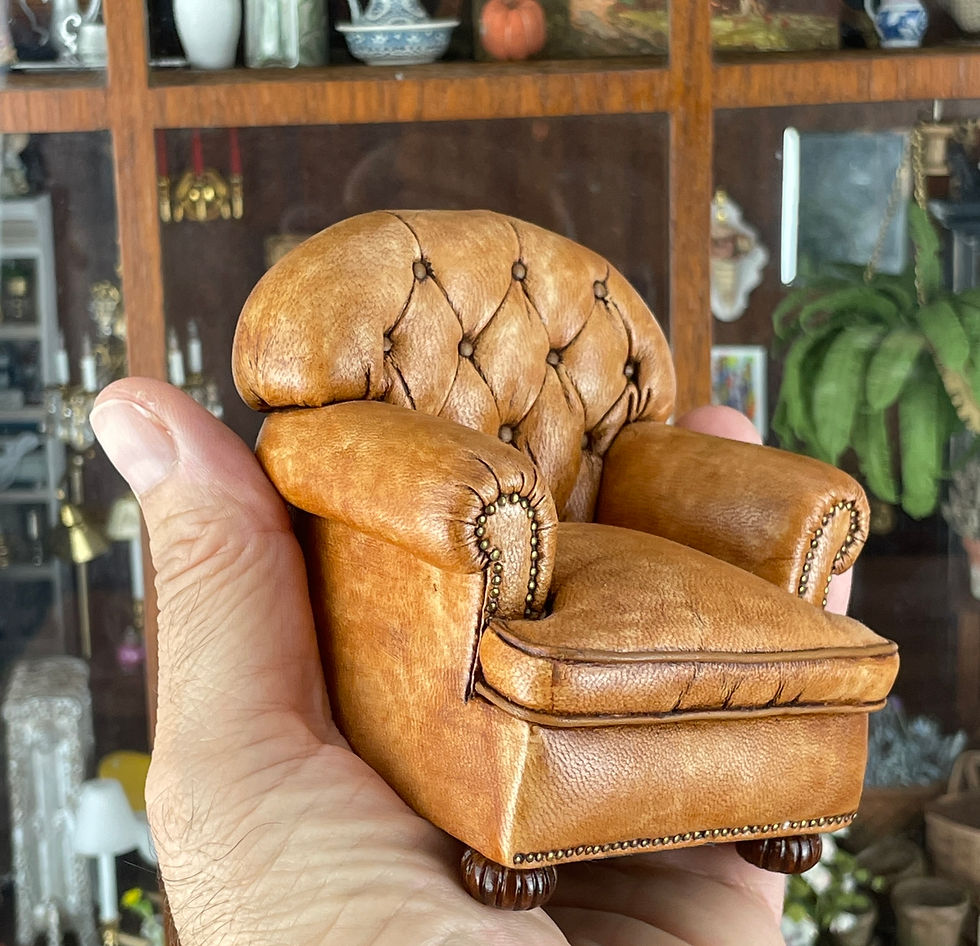
Before asking what can go, spend a little time with the pieces you most enjoy. Which miniatures do you still stop to admire? Which hold a memory you want to keep close? If you were putting together one room or display today, what would you choose? That can be a gentler place to begin than sorting an entire collection into things to sell. A smaller collection may give your favorites more space to be seen and enjoyed. And if you are unsure about a piece, set it aside. You can make progress without making every decision today.
Give the stories somewhere to live
The details you remember can be valuable to the next owner. Before separating pieces from their boxes or moving a display, take photographs and gather whatever information you have. A useful starting point includes:
· The artisan’s name and any signatures or marks.
· Receipts, certificates, original packaging, and correspondence.
· Scale, dimensions, and notes about condition or repairs.
· Where and approximately when you acquired the piece.
· Details about a commission, workshop, or special connection.

You do not need a perfect inventory to begin. Even a few labeled photographs and handwritten notes can help preserve information that might otherwise be lost.
If you are preparing pieces for evaluation, photograph them before attempting cleaning or repairs. Delicate finishes and materials deserve careful handling.
Understand what selling may involve
One of the most common questions I hear is, “What is my collection worth?” The answer takes a closer look. Artisan attribution, craftsmanship, condition, rarity, and current buyer interest can all influence what a piece brings. The original purchase price is useful background, but resale results may be higher or lower. Some miniatures benefit from individual attention. Others may work well in thoughtfully assembled groups. The right approach depends on the pieces and your priorities, including timing and how much help you need. Before choosing someone to represent your collection, ask how pieces will be evaluated, photographed, described, and offered for sale. Discuss commissions, other costs, payment timing, and what happens to anything that does not sell. Clear expectations make the process easier to navigate.

Make the next step easier for you and your family
Even if you are keeping your collection for now, a little preparation can help the people who may eventually care for it. Let someone know where you keep your records. Identify pieces that need special handling, and write down any wishes about gifts or future sales. Your family may know how much you love miniatures without knowing which artisan made a particular cabinet or why a small silver service deserves extra care. Sharing that knowledge now gives them something useful to work with later.

Finding appreciative new homes
One of the pleasures of my work is connecting miniatures with people who are excited to discover them. A piece that has been stored away may become the starting point for someone else’s room, display, or collection. That possibility can make letting go feel a little easier. The care you put into choosing a miniature still matters as it moves into another collector’s hands. In my business, I work with collectors, families, and estates to evaluate collections and discuss options for selling or consigning. Based in Yonkers, New York, I have worked in the miniature business for more than a decade. My approach brings together knowledge of artisan miniatures, careful presentation, and an established audience of collectors. The first step is a conversation about what you have and what you hope to accomplish.

Questions about downsizing and selling miniatures
Where can I sell an artisan dollhouse miniature collection
You can sell pieces yourself through an online marketplace or work with a specialist who represents miniature collections. Compare the time involved, the audience reached, fees, packing responsibilities, and the support offered. At D. Thomas Miniatures, I discuss selling and consignment options based on the collection and the owner's needs.

What should I do with an inherited dollhouse miniature collection
Begin with photographs of the collection as it is displayed. Keep labels, receipts, boxes, and certificates with their pieces when possible. You do not need to know every maker before asking for help. Avoid discarding small accessories or separating coordinated groups until you understand what you have.

How much are my dollhouse miniatures worth
Value depends on factors including the maker, craftsmanship, condition, rarity, and buyer demand. Documented sales of comparable pieces can help inform expectations. An asking price alone does not show what buyers actually paid, and an evaluation cannot guarantee an auction result.
Can I sell part of my miniature collection
You can choose to keep your favorites and explore selling selected pieces. Whether a specialist can accept a partial collection depends on the pieces and the service offered. There is no need to assume that downsizing means selling everything.
How do I get started with D Thomas Miniatures
Contact me with an overview of your collection, your location, and a few clear photographs. Include maker names and any timing needs you already know. We can discuss the collection and determine what further information would help.
A little room for what comes next
You may be ready to part with a few pieces, rethink an entire collection, or simply start making a plan. There is room for each of those starting points. Keep what you love. Record what you know. Give yourself time to decide what comes next. If you are thinking about downsizing your dollhouse miniature collection, I invite you to contact me at D. Thomas Miniatures (https://www.dthomasfineminiatures.com/contact). We can talk through your collection and explore a thoughtful way forward.
Ready to start the next chapter?👉 Contact D. Thomas Fine Miniatures today for a private consultation on how to sell or consign your dollhouse miniatures with integrity and care.📩
###


