
How to Sell a Dollhouse Miniature Collection: A Guide for Collectors, Families and Estates
- 3 days ago
- 10 min read

If you are thinking about selling a dollhouse miniature collection, downsizing a collection you have spent decades building, or have inherited a collection of miniatures and have no idea where to begin, the first thing to know is simple: you do not need to figure it all out yourself.
D. Thomas Miniatures specializes in helping collectors, families and estates identify, evaluate, market and sell collections of fine dollhouse miniatures and artisan miniatures.
A collection may contain a few exceptional pieces or represent a lifetime of collecting. It may include artisan furniture, paintings, ceramics, silver, food, dolls, accessories, room boxes, structures and hundreds—or thousands—of individual miniatures.
Some collections can be worth a few thousand dollars. Important collections assembled over many years can represent tens or even hundreds of thousands of dollars in resale value.
Knowing what you have—and knowing how, when and where to sell it—can make an enormous difference.

What Is the Best Way to Sell a Dollhouse Miniature Collection?
There is no single best way to sell every collection. The right approach depends upon the quality, size, makers, rarity, condition and potential resale value of the collection, as well as how quickly the collector or estate would like it sold. An important collection should first be evaluated as a whole. Some collections are best brought to market through individual auctions over a period of time. Certain exceptional pieces may deserve special handling, additional research or a different timetable. Other material may be better sold in carefully assembled groups. The objective should not simply be to sell everything as quickly as possible. Nor should it be to assign ambitious retail prices to thousands of pieces and wait indefinitely for buyers to appear. The goal is to understand the collection, identify the market for it and develop a thoughtful strategy that balances value and time. Reach out If you are looking for someone to help you figure out the best way to sell a dollhouse collection!
How Do I Know If My Dollhouse Miniatures Are Valuable?
The value of a dollhouse miniature can depend on many factors, including:
the artist or artisan who made it
rarity
quality of workmanship
age and provenance
condition
scale
whether the piece is signed or documented
current collector demand
comparable recent sales

One of the most important distinctions is between commercially manufactured dollhouse miniatures and individually made artisan miniatures. Fine artisan miniatures can be original works of art created by accomplished furniture makers, silversmiths, ceramicists, painters, sculptors, woodworkers, textile artists and other craftspeople. Some makers developed significant collector followings, and exceptional examples of their work can command substantial prices. However, an artist's name alone does not determine value.
Two pieces by the same artisan can perform very differently depending upon rarity, subject, quality, condition and current demand. That is why experience with the current resale market for fine miniatures matters.
I Inherited a Dollhouse Miniature Collection. What Should I Do?
Families frequently contact D. Thomas Miniatures after inheriting collections they know very little about. Sometimes the collector kept meticulous records. Sometimes there are receipts, artist biographies and original packaging. And sometimes there are simply rooms filled with miniature furniture, boxes and display cases. You do not need to identify or value everything before asking for help. In fact, I generally recommend that families not begin throwing away packaging, separating objects from labels or aggressively cleaning miniatures until they better understand what they have. Original boxes, signatures, labels, certificates, receipts and correspondence can sometimes help identify an artist or establish provenance. A selection of clear photographs can often provide enough information to begin a conversation about the overall nature and quality of a collection. If you just inherited a collection, or have one and are overwhelmed by what to do next, reach out and let's chat, I'll help you make sense of it all!
How Do I Sell a Large or High-End Dollhouse Miniature Collection?
Large, important collections require a different strategy from smaller collections.
A collection with significant resale value may contain hundreds of desirable pieces—but the market for expensive artisan miniatures is specialized. That creates an important consideration:

A collection can have substantial resale value without all of that value being immediately realizable at the same moment.
Bringing too many similar high-value pieces to market simultaneously can potentially force those pieces to compete against one another for the same collectors and the same discretionary dollars. That is why I believe an important collection should be managed, not simply listed. Exceptional pieces deserve to be recognized as exceptional.
Strong, desirable material should be offered when there is sufficient collector interest to create competition. Lower-value or more plentiful material can often move more quickly.
For particularly large collections, the sequence and timing of the sale can become almost as important as the individual prices.

Should I Auction My Dollhouse Miniatures or Sell Them at a Fixed Price?
Both approaches have advantages. A fixed retail price can work well when a seller is willing to wait for the particular collector who wants a particular object at a particular price.
But that can take time—sometimes a great deal of time. An auction creates a defined selling event and allows interested collectors to determine the market value of a piece through competitive bidding. For estates and collectors who want to sell a substantial collection within a reasonable period, auctions can provide an effective balance between market exposure, competition and velocity. But not every miniature necessarily needs to be treated identically. One of the most important parts of handling a significant collection is recognizing which pieces should be allowed to find their market immediately and which deserve greater protection, research, promotion or patience. If you are looking for answers about the best way to approach a sale of your dollhouse miniature, reach out and let's chat:
Will I Get What I Originally Paid for My Miniatures?
Not necessarily. Original purchase price, insurance value, replacement value and current resale value are different things. The resale market changes. Artists come in and out of fashion. Collector tastes evolve. Some makers become increasingly difficult to find. Other categories become more plentiful. There are also wonderful occasions when an object performs considerably better than expected because several collectors recognize its rarity and compete for it. For those reasons, realistic expectations should be based upon the current secondary market, not simply old receipts or historic retail prices.
Why Is Identifying the Artist So Important?
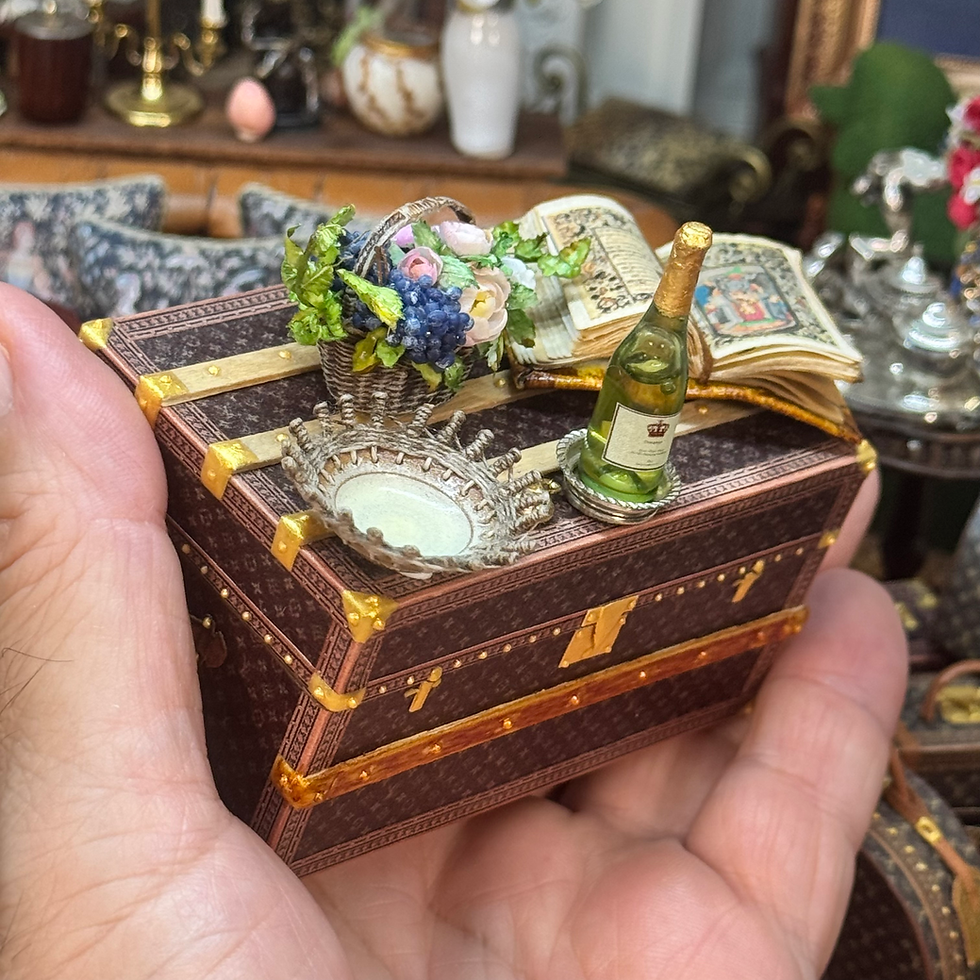
Attribution can make an enormous difference. An unsigned miniature chair may look simply like a beautifully made chair to someone unfamiliar with the field. To an experienced collector, construction techniques, materials, design, scale and other characteristics may point toward a particular artisan or school of work. That knowledge matters when describing and marketing a piece. It also matters because serious collectors often search specifically for the work of particular miniature artists. Research is therefore not simply an academic exercise.
Good research is part of good marketing.
The more accurately an object can be understood and described, the better chance it has of reaching the collector who understands why it is special.

How Should an Important Miniature Collection Be Marketed?
Simply putting an object online does not mean the right collectors will see it. Successful resale requires both presentation and audience. At D. Thomas Miniatures, important collections can be introduced through a combination of professional photography, research, storytelling, online auctions, email, editorial content and social media. Over the years, D. Thomas Miniatures has built a large community of miniature enthusiasts across Facebook and Instagram, along with thousands of auction followers and newsletter subscribers.
That audience matters. When an important miniature comes to market, the objective isn't merely to make it available.

The objective is to make the collectors most likely to appreciate it aware that it is available.
Sometimes that begins well before the actual sale. An extraordinary object may be photographed, discussed and shared with collectors in advance, giving people an opportunity to learn about it and understand why it matters. A great miniature deserves more than a listing. It deserves an introduction. Let's talk about how I can help use my. marketing and sales experience to showcase your collection in the best way:
What Happens to the Story of a Collection When It Is Sold?
For many collectors, selling is emotional. A serious collection may represent thirty, forty or fifty years of searching, traveling, attending shows, meeting artists and slowly acquiring objects one at a time. I understand that. But I also believe the greatest tribute to a wonderful collection is for its pieces to continue being seen, studied, appreciated and collected. When D. Thomas Miniatures handles an important estate or lifetime collection, I often share information about the collector, the artists represented and particularly interesting objects within it. That context helps the next collector understand not only what they are buying, but where it came from. The collection may eventually disperse.
Its story doesn't have to disappear with it.
Do I Need an Appraisal Before Selling My Miniature Collection?
Not necessarily. An appraisal can be useful for certain legal, insurance or estate purposes, but an appraisal and a resale strategy serve different purposes. If the objective is to sell the collection, what ultimately matters is understanding its realistic value in the current resale marketplace and determining the best way to bring it to that market. If you are uncertain what kind of collection you have, an initial review may help determine whether further research or formal appraisal work is appropriate.
Should I Sell My Dollhouse Miniature Collection All at Once?
Sometimes—but not always. For smaller collections, selling within a relatively concentrated period may make sense. For substantial high-end collections, releasing everything at once can potentially overwhelm the available market. At the opposite extreme, stretching a collection over many years may not serve a collector or estate particularly well either.
The ideal timetable is a balance.
I think of it very simply:

An important miniature should not have to be sacrificed simply to make it disappear quickly.
But an estate shouldn't have to wait forever to complete the sale of a collection either.
What Should I Look for in Someone Selling My Miniature Collection?
Ask questions.
How familiar are they with artisan miniatures?
Do they know the artists represented in your collection?
How will the pieces be researched?
Who photographs them?
Where will they be offered?
What audience will see them?
How are important pieces handled differently from ordinary pieces?
How long is the sale expected to take?
How and when will you be paid?
What happens if something doesn't sell?
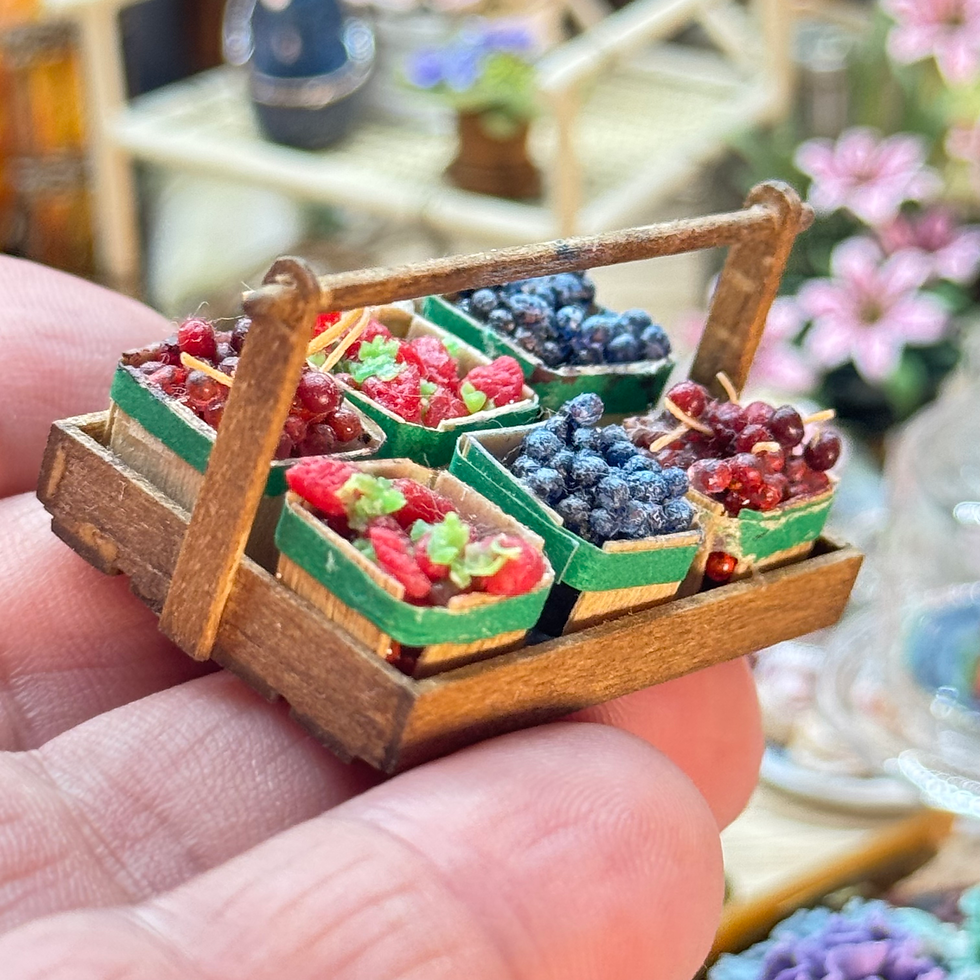
And perhaps most importantly: Can they explain why their particular selling strategy makes sense for your particular collection? A large miniature collection should not simply disappear into inventory. You should understand what is going to happen to it. If you are looking for more information about what to look for in someone who can sell you collection, reach out and let's talk!
Selling a Lifetime Collection of Fine Artisan Miniatures
There is another kind of seller I hear from frequently: the knowledgeable collector who has spent decades deliberately building an important collection and has decided that it is time to downsize. That conversation is very different from helping a family that has inherited a collection. An experienced collector may know exactly what they own. They may personally know many of the artists. They may remember where every object was purchased and what they paid for it. And they understandably want someone handling the collection who recognizes its quality. For these collectors, the question isn't: “What do I have?”
It is: “Who do I trust to represent what I have?” That is a question I take seriously.
From One Exceptional Miniature to an Entire Lifetime Collection
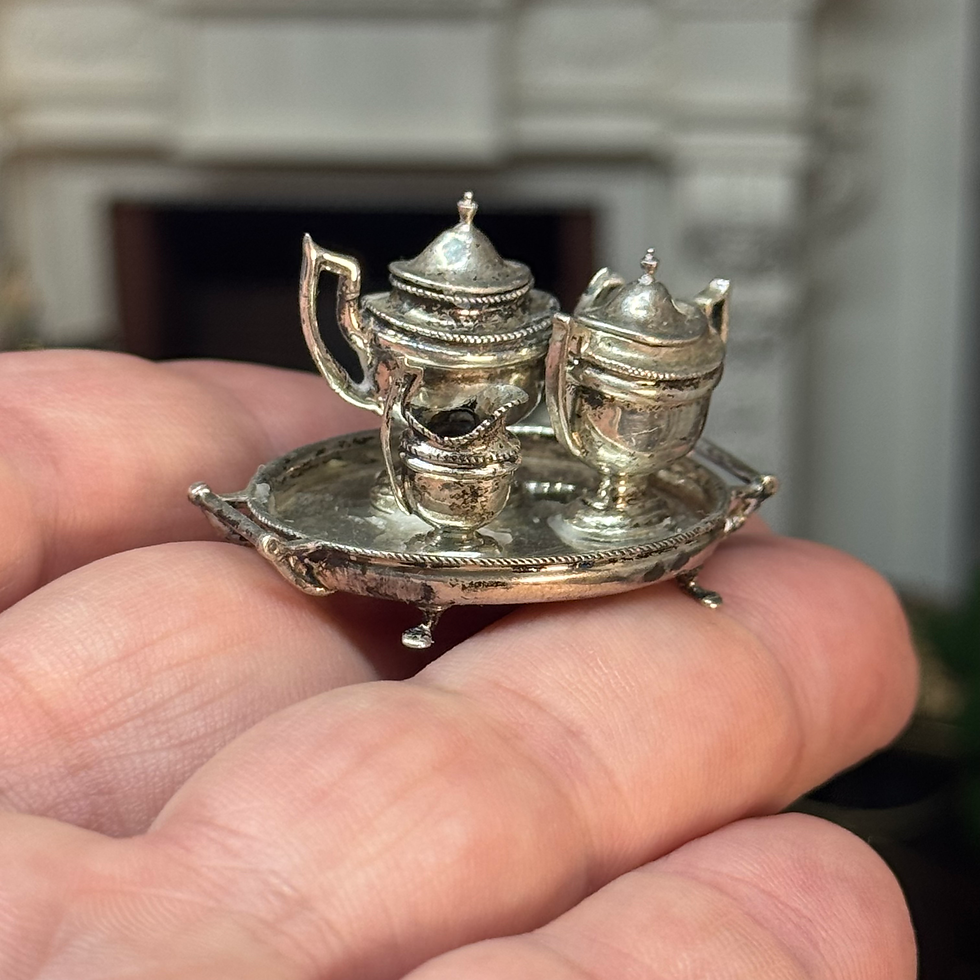
D. Thomas Miniatures works with collectors, families and estates interested in selling fine dollhouse miniatures and important collections of artisan miniatures. Some conversations begin with a single exceptional object. Others begin with an entire house, studio, storage room—or lifetime—filled with miniatures. Either way, you don't need to have everything figured out before contacting me. If you have inherited a dollhouse miniature collection, are helping a family member with an estate, are downsizing your own collection, or are simply beginning to think about what will eventually happen to your miniatures, a few photographs and some basic information are often enough to start the conversation.
The first step isn't selling anything. It's understanding what you have.

Frequently Asked Questions About Selling Dollhouse Miniatures
Where can I sell a dollhouse miniature collection?
Dollhouse miniature collections can be sold through specialist dealers, auctions, online marketplaces, private sales and other channels. For important artisan collections, working with someone familiar with the specialized miniature resale market can help with identification, presentation, marketing and access to established collectors.
Who buys old dollhouse miniatures?
Buyers include dollhouse enthusiasts, serious collectors of artisan miniatures, interior and decorative arts collectors, museums and other institutions in certain circumstances, and collectors seeking the work of particular miniature artists.
Are old dollhouse miniatures worth money?
Some are, but age alone does not determine value. Maker, craftsmanship, rarity, condition, provenance and current demand can be much more important than age.
How can I identify an unknown miniature artist?
Look for signatures, initials, labels, original packaging and documentation. Construction techniques and artistic style can also provide clues. A specialist familiar with artisan miniatures may recognize characteristics associated with particular makers.
Can I sell an inherited miniature collection if I don't know anything about it?
Yes. You do not need to identify or price everything yourself before seeking assistance. Photographs of representative pieces, display cases, room boxes, structures, labels and signatures are often useful starting points.
How long does it take to sell a large miniature collection?
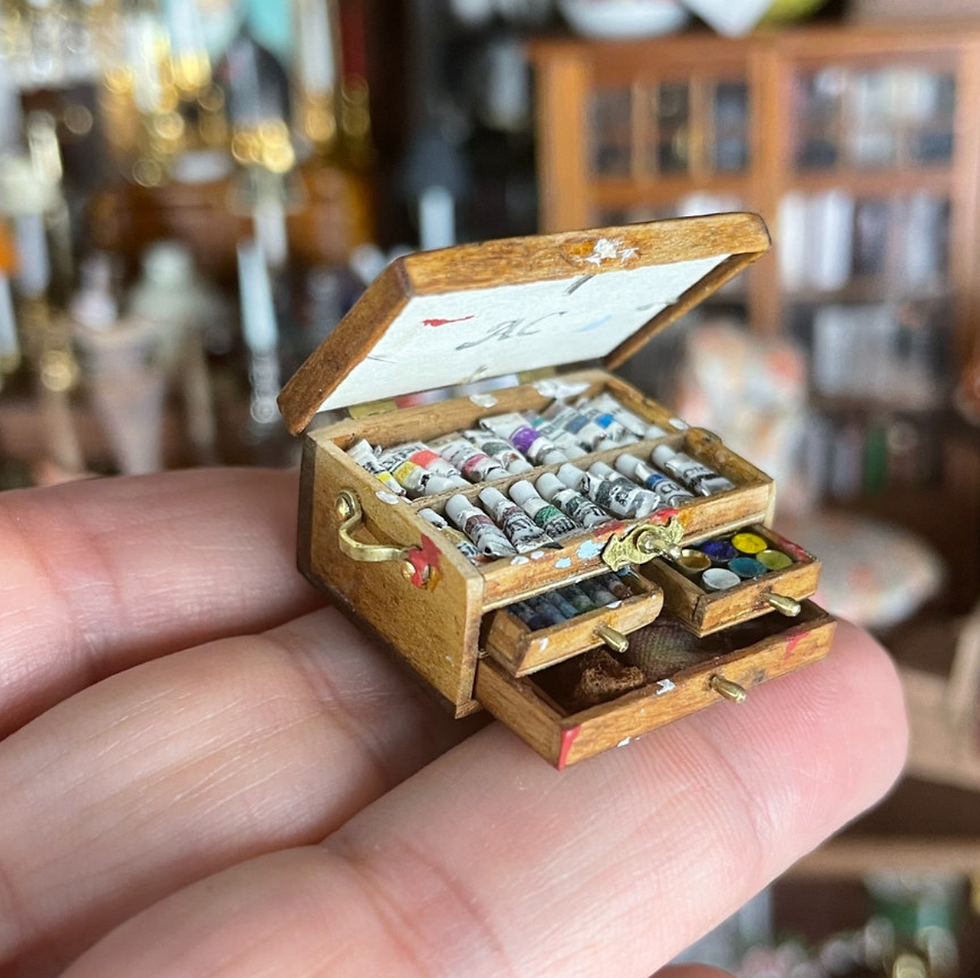
It depends on the size, quality and value of the collection and the selling strategy. A substantial collection of high-end artisan miniatures may benefit from being brought to market in stages so that exceptional pieces are not competing unnecessarily against one another.
What is the best way to sell expensive artisan miniatures?
There is no universal answer. Auctions, private sales and fixed-price offerings can each be appropriate. The best strategy depends upon the particular object, current collector demand, rarity and the seller's desired timetable.
Should I clean miniatures before trying to sell them?
Use caution. Fragile finishes, textiles, paper, paintings, aged surfaces and delicate components can be damaged by inappropriate cleaning. When in doubt, leave an important piece as found until someone familiar with the material can examine it.
Should I throw away the original boxes?
Not before determining whether they belong to particular pieces. Original packaging, labels and documentation can help establish attribution and provenance and may be valuable to collectors.

How do I begin selling my dollhouse miniature collection?
Start with photographs and basic information about the collection. You do not need a complete inventory to begin an initial conversation.

About D. Thomas Miniatures
D. Thomas Miniatures specializes in fine artisan dollhouse miniatures and the resale of important miniature collections and estates. Through auctions, research, photography, educational content, email and a large online community of miniature collectors, D. Thomas Miniatures works to connect exceptional miniatures with the people who will understand, appreciate and collect them next. If you are searching for information about selling a dollhouse miniature collection, selling inherited dollhouse miniatures, downsizing an artisan miniature collection, valuing a miniature estate, or finding a specialist to help sell fine miniatures, D. Thomas Miniatures welcomes the conversation.
You don't need to know exactly what you have. You just need to know where to begin.
