
Key Identifiers for Distinguishing Artisan Dollhouse Miniatures from Mass-Produced Versions
- Nov 16, 2025
- 3 min read
Dollhouse miniatures capture the charm of everyday objects in tiny form, but not all miniatures are created equal. Artisan-crafted miniatures stand apart from mass-produced ones through their unique details and craftsmanship. Knowing how to spot these differences helps collectors, hobbyists, and enthusiasts appreciate the artistry behind each piece and make informed choices when adding to their collections.

Understanding the Craftsmanship
Artisan dollhouse miniatures are made by skilled craftspeople who focus on quality and detail. Unlike mass-produced miniatures, which often rely on machines and molds, artisan pieces are usually handcrafted or finished by hand. This difference in production methods leads to several key identifiers:
Material quality: Artisans select premium materials such as fine woods, metals, or hand-mixed clays. Mass-produced items often use cheaper plastics or composites.
Attention to detail: Look for subtle imperfections that show handwork, such as slight variations in paint strokes or textures.
Unique designs: Artisan miniatures often feature original or limited-edition designs, while mass-produced ones tend to repeat the same patterns.
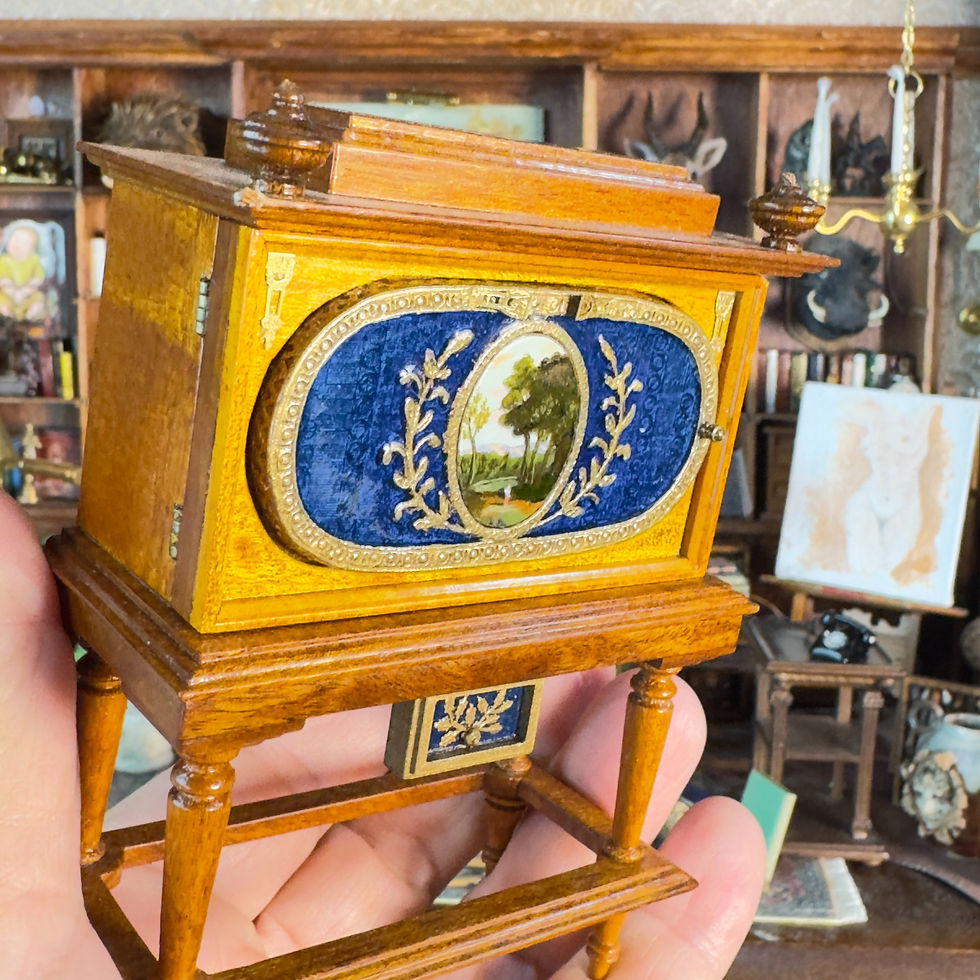
Signs of Handcrafted Work
One of the clearest signs of an artisan miniature is the presence of hand-applied finishes. For example, hand-painted details will have slight inconsistencies that add character. Mass-produced miniatures usually have uniform, machine-applied paint that looks flat or overly perfect.
Check the edges and joints of the miniature. Artisan pieces often show careful sanding and fitting, while mass-produced items may have visible mold lines or rough edges. The use of tiny nails, pins, or glue spots can also indicate hand assembly.

Scale and Proportion Accuracy
Artisan miniatures tend to maintain accurate scale and proportions relative to real-life objects. This precision reflects the maker’s knowledge and dedication. Mass-produced miniatures sometimes sacrifice scale accuracy for ease of manufacturing or cost savings.
For example, a handcrafted miniature chair might have realistic seat height and leg thickness, while a mass-produced version could look slightly off or simplified. Comparing pieces side by side can reveal these differences clearly.

Materials and Textures
The choice of materials often distinguishes artisan miniatures. Wood grain, metal patinas, and fabric textures in handcrafted pieces feel more authentic. Mass-produced miniatures may use painted plastic or synthetic fabrics that lack depth.
Touch the miniature if possible. Artisan pieces often have a weight and texture that feels natural. For instance, a miniature wooden table will have a smooth but tactile surface, while a plastic one might feel hollow or overly smooth.

Packaging and Documentation
Artisan miniatures frequently come with certificates of authenticity or information about the maker. This documentation adds value and confirms the piece’s origin. Mass-produced miniatures rarely include such details.
Packaging can also be a clue. Handmade miniatures might be wrapped carefully in tissue paper or placed in custom boxes, while mass-produced items often come in generic plastic packaging.
Price and Availability
Price can be an indicator but not a definitive factor. Artisan miniatures generally cost more due to the labor and materials involved. Limited availability also sets them apart, as artisans produce smaller quantities.
If a miniature is widely available at very low prices, it is likely mass-produced. Conversely, unique pieces sold at craft fairs, specialty shops, or online artisan platforms tend to be handcrafted.

Examples to Illustrate Differences
Miniature Furniture: An artisan-crafted wooden rocking chair will show fine carving details, natural wood grain, and hand-applied finish. A mass-produced plastic chair might have visible mold lines and uniform paint.
Miniature Food Items: Hand-sculpted miniature pastries often display realistic textures and color variations. Mass-produced versions may look glossy and identical.
Miniature Accessories: Artisan jewelry or household items might use real metal and glass components, while mass-produced ones rely on painted plastic.

Why It Matters to Collectors and Hobbyists
Recognizing artisan miniatures helps collectors value the skill and time invested in each piece. It also supports small-scale artists and preserves traditional crafting techniques. For hobbyists, choosing artisan miniatures enhances the authenticity and uniqueness of their dollhouse scenes.
Final Thoughts on Identifying Artisan Dollhouse Miniatures
Spotting artisan dollhouse miniatures involves looking closely at materials, craftsmanship, scale, and packaging. These clues reveal the difference between a mass-produced item and a piece made with care and skill. When you learn to identify these features, you gain a deeper appreciation for the miniature world and make choices that reflect your passion for quality and artistry.
If you are looking to downsize your collection of artisan and quality crafted dollhouse miniatures, please be sure to reach out and let's talk about how we can work together to find new happy homes for your treasures!


