top of page
AI Generated Image/Art Direction by D. Thomas!

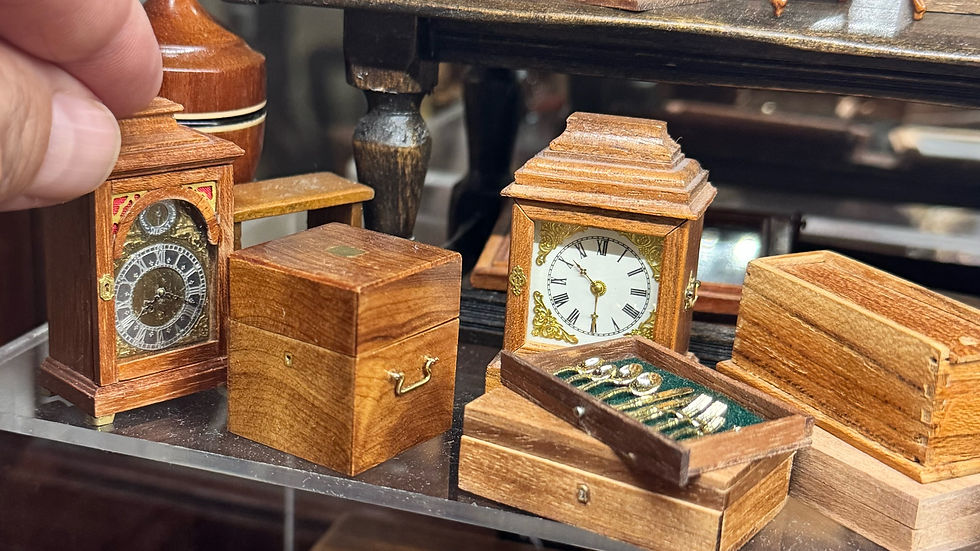
A truly wonderful miniature collection doesn't have to be filled exclusively with high-end artisan pieces. Just like a well put together wardrobe, it only takes one standout piece, like that cherished boutique little black dress, to elevate everything around it.

Maybe in your collection it's a beautifully handcrafted artisan chair, a finely turned table, or an exceptional cabinet surrounded by simpler, more affordable pieces you genuinely love. The magic isn't in owning only the finest; it's in creating an attainable collection that feels balanced, intentional, and uniquely yours.

Elevating a collection means looking beyond price tags. It's about developing an appreciation for quality craftsmanship, understanding who made a piece, recognizing the materials and techniques used, and noticing details like proportion, scale, materials and finish.

Those are the qualities that give a miniature its presence and the characteristics to look for when you're thinking about elevating your own collection of dollhouse miniatures.
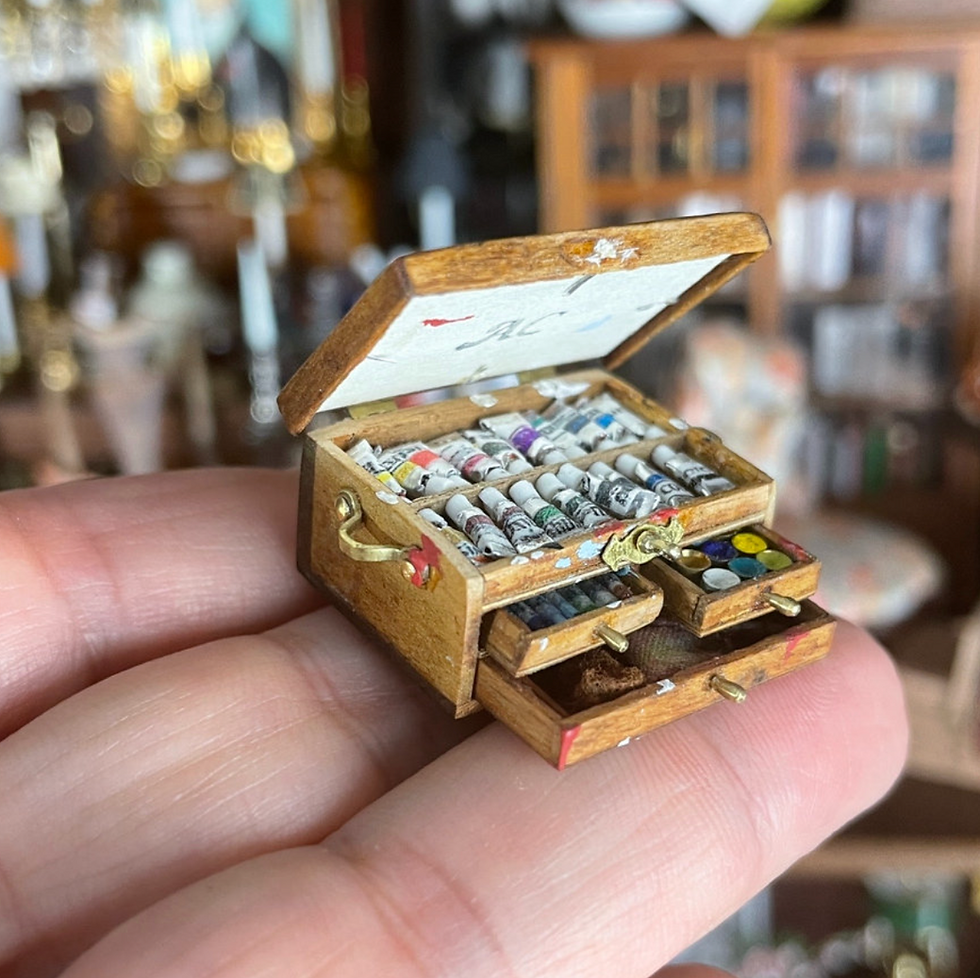
The most rewarding collections aren't built overnight, and they aren't built by chasing names alone. They're built by making careful and thoughtful choices over time, with each addition reflecting your own personal style and bringing you a little more joy every time you stop to admire it.

So, take another look at your collection. What is your "little black dress"? And if you don't have one yet, what piece could become it? You don't have to transform your collection all at once, that's the miniature journey! Start with a single exceptional piece, learn its story, appreciate its craftsmanship, and let it inspire everything that follows.


###

One of the things I love most about this tiny world is that it offers so many ways to discover the joy of miniatures. In many ways, the journey isn't about reaching a destination. It's about trying new things, discovering what brings you joy, and allowing that joy to evolve as you find your own happy place. And that, to me, is what the adventure is all about.

While the miniature community is wonderfully welcoming and filled with like-minded people, the way we each experience miniatures is deeply personal. Every collector, maker, and enthusiast follows a different path. The beauty of this hobby is that there isn't a single "right" way to enjoy it—only the way that brings you the most happiness.

For some, it's the thrill of discovering a hidden treasure at an estate sale or winning a long-sought piece in a late-night auction. For others, it's creating with their own hands, building furniture from a DIY kit, wiring a lamp, following a YouTube video and sculpting a tiny loaf of bread or learning a new technique. And for many, joy is found in thoughtful collecting: choosing artisan miniatures that speak to you, trading up over time, or curating a shelf, room box, or vignette that tells a story you want to tell.

Some collectors immerse themselves in the history of the hobby, discovering the artists, attending workshops, reading books, and learning about the remarkable people who have shaped this miniature world. For them, learning becomes just as rewarding as collecting.

And yes, for some, it's simply living with beautiful miniature objects like a seasonal vignette, a shadow box on the wall, a single artisan chair on a shelf, or a carefully arranged display that brings a smile every time you walk by.

Here's the wonderful part: your happy place may change. In fact, it often does. Given the incredible breadth of the miniature hobby, that's only natural. It's not about leaving one passion behind. It's about growing, evolving, and discovering new ways to experience the joy that first drew you into miniatures.

Some collectors find their lane early and happily stay there for decades. Others continue exploring, discovering new artists, new scales, new techniques, or entirely new ways to experience the hobby as their lives change. Both journeys are equally valid. Both are part of what makes this community so rich and so fascinating.

Over the years, I've met collectors with magnificent dollhouses and others with a single shelf filled with tiny treasures. I've met makers who rarely buy miniatures and passionate collectors who have never made a single piece. They're all enjoying the same hobby—just in different ways. And that's exactly as it should be.

What I hope every collector discovers isn't the biggest collection or the rarest piece. I hope they discover the part of this miniature world that truly brings them joy. Because that's your happy place. And the wonderful thing is that your journey will continue to offer new opportunities to find it, rediscover it, and express it in ways you may never have imagined.

So whether you're just beginning your miniature journey or you've been collecting for decades, give yourself permission to explore. Try something new. Rearrange a display. Take a workshop. Learn about an artisan you've never heard of. Follow that little spark of curiosity whenever it appears. You never know where it might lead—or what new happy place you might discover.

If you'd enjoy more reflections like this, along with stories about remarkable collections, extraordinary artisan miniatures, and the people who create them, sign up for my newsletter so you never miss a blog post, estate sale listing or a new Meet the Miniaturist podcast.

And if your own miniature journey is entering a new chapter—whether you're refining a collection, downsizing, or helping a loved one find the right home for theirs—know that thoughtful, respectful guidance is always here. Because in the end, the greatest joy in miniatures isn't having the most pieces. It's finding the part of this extraordinary little world that makes you smile every time you experience it. That's your happy place.


###

There comes a moment in the lives of many collectors when a difficult question begins to surface.


"What will happen to my miniature collection someday?"

For some, that question comes after decades of collecting. For others, it's prompted by retirement, downsizing, a move to a smaller home, or simply the realization that it's time for someone else to enjoy the treasures they've spent a lifetime building. It's rarely an easy decision.

A dollhouse miniature collection is almost never "just stuff." It's years—sometimes decades—of searching for that one elusive artisan piece. It's friendships made at miniature shows. It's workshops attended, magazines saved, countless hours spent arranging displays, and the excitement of discovering something extraordinary that made your heart skip a beat.

Every shelf tells a story. Every room box captures a moment. Every tiny chair, painting, chandelier, or porcelain figurine represents a memory.


So when the time comes to think about selling your miniature collection, it's completely normal to feel overwhelmed. In fact, I would be surprised if you didn't. I've spoken with many collectors over the years, and almost every conversation begins the same way.

"I don't even know where to start." Or... "I promised myself I'd deal with this someday."

Or perhaps the hardest one to hear..."I just want my collection to go to people who will appreciate it." That last sentence tells me everything I need to know. Because what most collectors are really looking for isn't simply someone to buy their miniatures. They're looking for someone who understands what those miniatures mean.

The Emotional Side of Downsizing a Miniature Collection

One thing I always tell people is this: You are not selling your memories. You're simply passing along the objects that hold them. The memories stay with you. The friendships remain. The joy you experienced while building your collection never disappears. What changes is that your treasures now have the opportunity to create those same feelings for someone else.


I have watched collectors become emotional as they packed pieces they hadn't touched in years. I've also watched them smile weeks later after hearing where those same miniatures ended up—placed into collections where they would once again be admired, displayed, and cherished. That matters. At least it does to me.


Where Do You Even Begin?

Once you've made the emotional decision to explore selling your collection, the practical questions usually arrive quickly. How much is everything worth? Should you sell piece by piece? Should you sell the entire collection? Where is the best places to sell? Should you contact an auction house? What about antique dealers? Who actually understands artisan dollhouse miniatures?

The truth is there isn't one answer that fits every collection. Every estate is different. Every collector has different goals. Some people want to maximize value. Others simply want the process to be easy. Some are working with time constraints. Others are planning years in advance. That's why the first step isn't selling. The first step is understanding exactly what you have.

Don't Rush

One of the biggest mistakes I see families make after inheriting a miniature collection is assuming everything should immediately be boxed up or separated. Instead. Slow down. Take some photographs. Photograph shelves exactly as they sit today. Keep handwritten notes that you may find and save artist labels. Hold onto original boxes. Don't remove signatures Don't throw away paperwork. Those seemingly insignificant details can dramatically affect both identification and value. Many artisan miniatures are signed underneath. Others carry original workshop labels.Receipts may reveal an artist whose work is now highly sought after. The more information that stays with a piece, the easier it becomes to properly identify—and market—it.

Not All Miniatures Are Created Equal

To someone unfamiliar with the hobby, one tiny chair may look very much like another.

Collectors know better There is a tremendous difference between mass-produced dollhouse miniatures and handcrafted artisan miniatures. Names matter. Provenance matters Condition matters. Scarcity matters. Workshop history matters. The miniature world has its own artists, makers, collectors, and history.Understanding those details often makes the difference between simply selling miniatures and properly presenting them to the audience most likely to appreciate—and bid on—them. If you don't have these elements, that's okay too.... "good" miniatures will find their new homes!

Selling an Estate Collection Can Feel Even More Overwhelming

If you've inherited a dollhouse miniature collection from a parent, grandparent, relative, or close friend, you're probably facing a very different challenge. You may not even know what you're looking at. That's perfectly okay. Most families don't. I've worked with families who inherited hundreds (if not thousands!) of miniatures and had no idea where to begin. Questions like these are incredibly common:


  • Are these valuable?

  • Who made them?

  • Should we keep the dollhouse together?

  • Do collectors want individual pieces?

  • Is this something museums collect?

  • Can someone handle everything for us?


The answer is yes.

There are professionals who specialize in selling dollhouse miniature estate collections and helping families navigate the entire process from beginning to end. Having someone knowledgeable guide the process removes a tremendous amount of stress during what is often already an emotional time.


Finding the Right Next Home

One phrase I hear over and over again is: "I just don't want my collection ending up in the wrong hands." or "My kids don't want my miniatures and I don't want them to end up at Good Will." I understand exactly what that means. Collectors aren't simply concerned about value. They're concerned about legacy. They want to know that the tiny world they spent years creating will continue to be appreciated. I believe every miniature collection deserves that opportunity. When I work with a collector or a family, I don't think of it as dismantling a collection. I think of it as helping write its next chapter. One collector's carefully chosen artisan cabinet becomes another collector's dream acquisition. A room box that delighted one family for thirty years becomes the centerpiece of someone else's display. A handcrafted miniature isn't reaching the end of its story.


It's simply beginning another.

Planning Ahead Is One of the Greatest Gifts You Can Give Your Family

Many collectors wait until a crisis forces difficult decisions. But it doesn't have to happen that way. Planning ahead allows you to make thoughtful decisions while you're still able to share the stories behind your collection. You know where each piece came from.

You remember the workshop where you met the artist. You know why that tiny rocking horse mattered. Those stories have value, too. Even creating a simple inventory or folder of photographs today can make life much easier for your family years from now.


You Don't Have to Figure It Out Alone

If you're thinking about downsizing your dollhouse miniature collection, or if you've inherited a collection and don't know where to begin, know this: You don't have to have all the answers today. Sometimes the most valuable first step isn't selling anything at all.

It's simply having a conversation with someone who understands this unique hobby, the collector community, and the marketplace. Every collection is different. Every family is different. Every story deserves to be treated with respect. After spending years building a miniature world filled with beauty, craftsmanship, and memories, you deserve to know that those treasures will continue bringing joy to others for years to come. And perhaps that's the most comforting thought of all. Your collection isn't disappearing. It's continuing its journey.

Frequently Asked Questions About Selling a Dollhouse Miniature Collection


How do I sell a dollhouse miniature collection?

The best place to start is by documenting your collection with photographs, preserving artist labels and paperwork, and speaking with someone who specializes in dollhouse miniatures. Every collection is different, so the right selling strategy depends on the size, quality, and goals for the collection.


How much is my miniature collection worth?

The value depends on many factors, including the artists represented, rarity, condition, provenance, original packaging, and current collector demand. A collection of artisan miniatures can be significantly different in value from mass-produced pieces.


What should I do if I've inherited a miniature collection?

Don't rush to separate or dispose of the pieces. Take photograph, keep documentation together, and consult someone experienced with dollhouse miniature estate collections before making decisions.


Can someone sell my miniature collection for me?

Yes. Many collectors and families choose to work with specialists who handle photography, research, marketing, auctions, shipping, and communication with buyers, making the process far less stressful.


Is it better to sell everything together or individually?

There isn't a universal answer. Some collections achieve the best results when sold individually, while others benefit from being offered as groups. An experienced specialist can recommend the approach that best fits your collection.


The Mini Journey: Every Collection Deserves a Thoughtful Goodbye


If there's one thing I hope you take away from this, it's that selling a miniature collection isn't simply about parting with possessions—it's about honoring a lifetime of passion, creativity, and memories. Every piece you've collected has been part of your story, and every collection deserves to be treated with the same care and respect that went into building it. Whether you're just beginning to think about downsizing or helping a loved one navigate an inherited collection, know that you don't have to do it alone. With thoughtful planning and the right guidance, your treasured miniatures can continue bringing joy to new collectors for years to come. And to me, that's one of the most beautiful legacies a collection can leave behind.


Thinking About Selling Your Miniature Collection?

If this article resonates with you, I'd love to have a conversation. Whether you're planning to downsize your own collection, helping a family member with an estate, or simply wondering about the value of your miniatures, I'm always happy to offer guidance.

For more than a decade, I've helped collectors and families thoughtfully sell quality crafted and fine art dollhouse miniature collections through carefully curated estate sales and auctions, connecting pieces with collectors around the world who truly appreciate them. My goal has never been simply to sell miniatures—it's to honor and tell the stories behind them and help each collection find its next chapter. If you're ready to begin the conversation, or even if you're just exploring your options, please don't hesitate to reach out. Sometimes a simple conversation is the easiest first step.


bottom of page